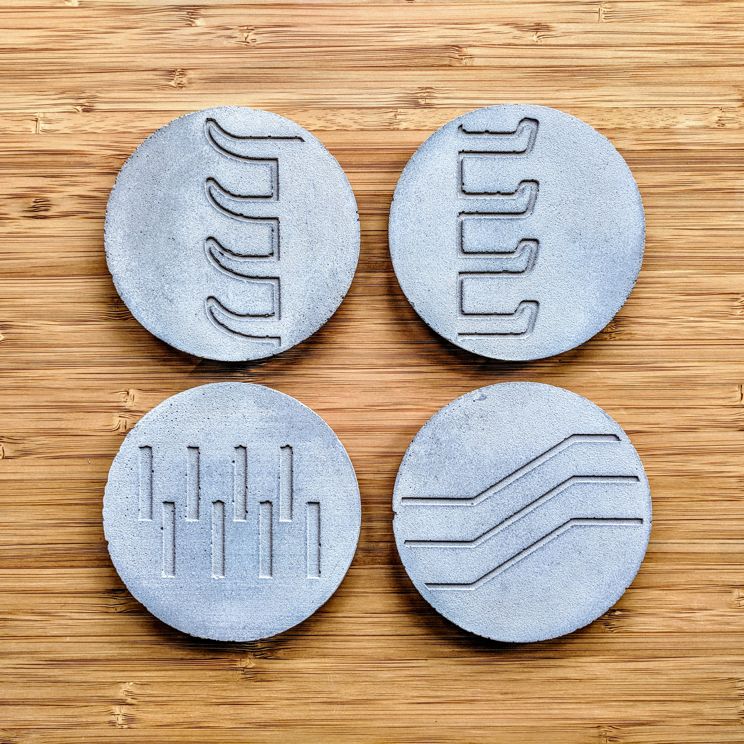
Sticks in the ground for public services

You know I love a bit of brutalism. Well here, Ben Holliday draws a comparison between civic architecture of the mid-20th century, and modern-day digital local services.

Many of these buildings are now disused or in different states of disrepair. It’s an important reminder. The fact is, no matter how bold you set out to be. No matter how big or successfully your original statement of intent, eventually the roof will start to leak.

Buildings, just like ideas, need maintenance. They fall into disrepair over time.

I have written a few times before about the parallels I see between architecture and digital services. It’s well worth learning the lessons from the past and applying them to our own projects.

I made my shed the top rated restaurant on TripAdvisor

Brilliantly entertaining article by someone who managed to game TripAdvisor into ranking his fake establishment as the number one restaurant in London.

When he staged a deliberately-awful opening night, some of the patrons asked to come again.

The Shed at Dulwich has suddenly become appealing. How?

I realise what it is: the appointments, lack of address and general exclusivity of this place is so alluring that people can’t see sense.

How the sandwich consumed Britain

An absolutely fascinating long read about sandwiches. It finds dozens of angles on the topic, and they all prove to be fascinating.

I hadn’t realised that packaged sandwiches were such a recent invention. This article outlines the way M&S’s innovation has transformed people’s behaviour and expectations.

[M&S sandwich boss Richard Whiteside] confronted the lunchtime queue in Boots and asked people why they weren’t coming to his store. “They said: ‘Well, I am not crossing the road’,” he recalled.

I still treat buying a sandwich as a bit of a luxury. I make sandwiches for me and Alex the night before work, thinking of the money it’s saving.

The media perspective on burger emoji: An unexpected analysis

The burger emoji: A first-hand analysis of the media coverage

Media analyst Thomas Baekdal unexpectedly went viral last month when he tweeted about the inconsistencies between the burger emojis for Apple and Google. He has published two articles about it. The first examines why his tweet went viral. The second investigates how the media reacted.

The analysis paints a rather negative picture of the media.

…look at the very familiar pattern of the stories posted by the media. They are all focusing on Google’s CEO saying he will do something.

Think about all the other stories that journalists cover on a regular basis. How many of those have the same inherent problem of being antagonistically focused, with a scandal-first lens regardless if the underlying topic is politics, business, or general human interest?

For what it’s worth, of course the cheese should be on top.

(I have written before about ambiguous emojis.)